Start with what you were told
Families often hear different words: high ALT, fatty liver, bright liver, steatosis, NAFLD, MASLD, or FibroScan. Choose the closest option and use it to prepare for the next step with your child’s primary care provider or specialist.
Where would you like to start?
Choose the option that best matches your family’s situation. You can explore other sections anytime.
It is normal to feel worried
Many parents feel scared, guilty, or overwhelmed when they hear that their child has a high ALT or fatty liver. Most children look well and have no symptoms, so the result can feel surprising.
Your child and your family should not feel ashamed or embarrassed. Understanding the result, making one or two realistic family changes, and keeping a clear follow-up plan are positive first steps.
My liver journey
A simple roadmap for families. You do not need to complete everything today.
What this site can help with
What is MASLD?
MASLD stands for metabolic dysfunction-associated steatotic liver disease. It means there is extra fat in the liver together with metabolic risk factors.
Simple explanation
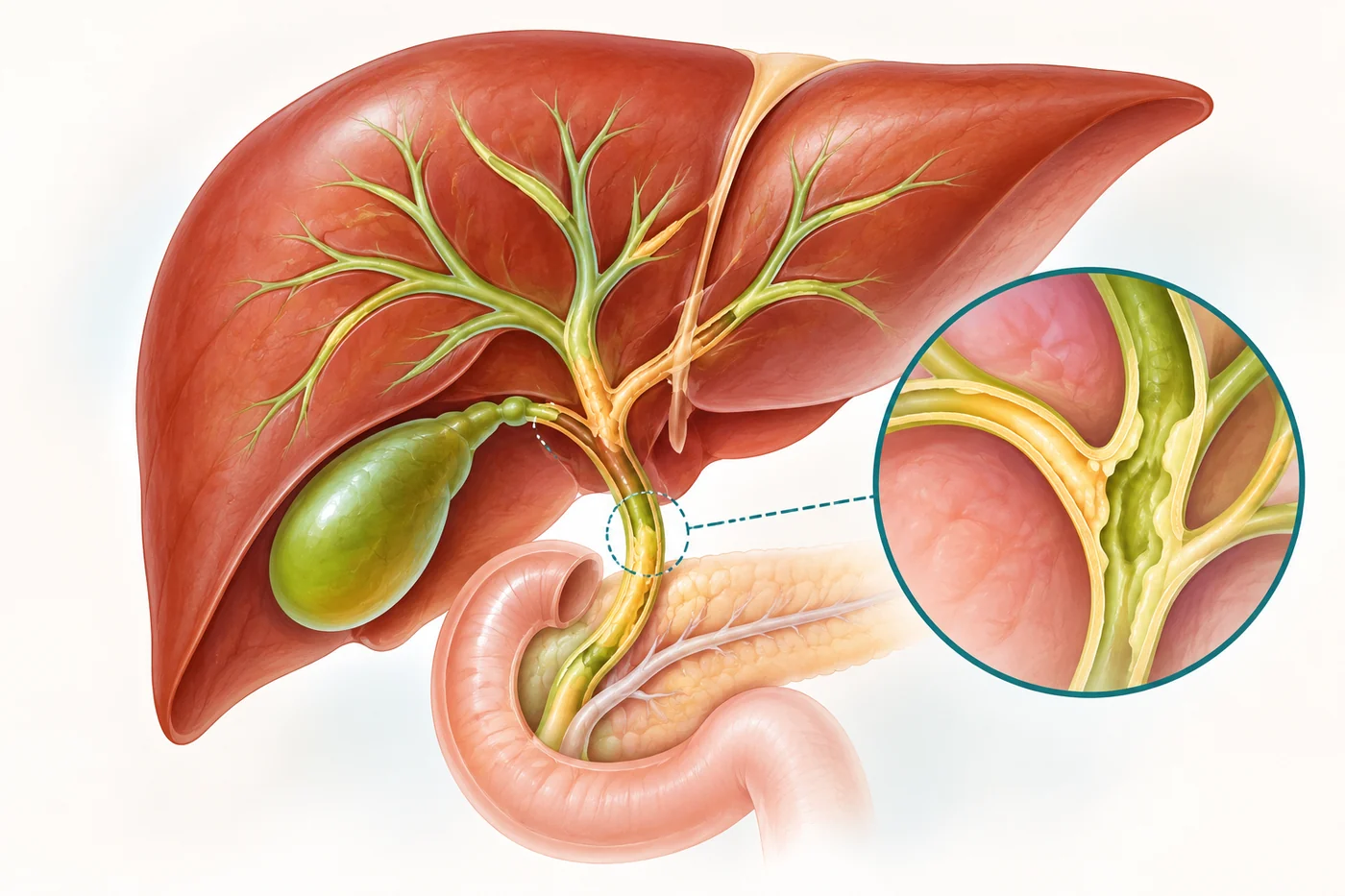
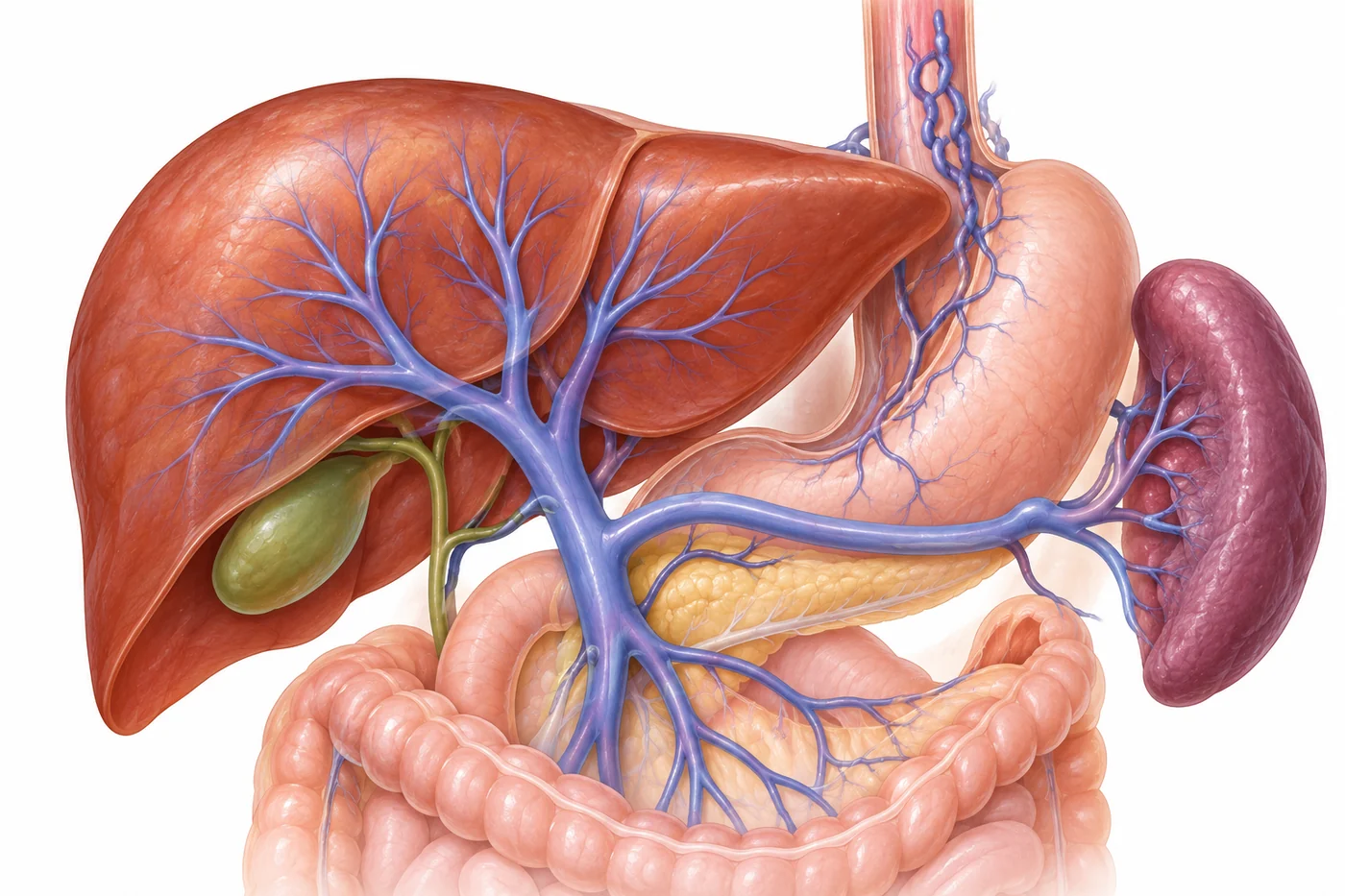
The liver is like the body’s busy kitchen and cleaning station. It helps process food, store energy, make important proteins, and clear waste.
In MASLD, extra fat collects inside liver cells. For many children it causes no symptoms, but in some children the liver becomes irritated or scarred over time.
Other names families may hear
You may hear “fatty liver,” “NAFLD,” “hepatic steatosis,” “bright liver,” “MASLD,” or “MASH.”
MASLD is the newer name. Many reports and older handouts still use NAFLD.
How common is it?
Fatty liver/MASLD is one of the most common chronic liver problems in children, especially in children with obesity or metabolic risk.
It is not rare, and families should not feel alone.
Common risk factors
- Higher body weight or central extra body fat
- Insulin resistance, prediabetes, or type 2 diabetes
- High triglycerides or low HDL cholesterol
- Sleep apnea or poor sleep
- Some medications that increase weight/metabolic risk
- Family history and genetic risk
Can it improve?
Yes. Many children improve with steady family changes, especially around sugary drinks, daily movement, sleep, meals, and metabolic health.
The goal is progress and follow-up, not perfection.
How MASLD can change over time
Most children are diagnosed in the early stages, when there is an opportunity to improve liver health and prevent progression.
A healthy liver looks and works normally.
Fat builds up in the liver. Some children also develop inflammation.
Over time, ongoing inflammation may lead to scar tissue. Significant scarring is uncommon in children, but early diagnosis and follow-up are important.
Important message for children
MASLD is not something anyone should feel ashamed or embarrassed about. It is a medical condition, and many children and families live with it. Healthy changes work best when the whole family takes part, so the child feels supported rather than singled out. No perfect diet, no extreme exercise — just steady, realistic family steps.
For the parent or caregiver reading this
Finding out your child has a liver concern can feel frightening, confusing, or even like something you caused. Those feelings are completely normal and very common.
You are here because you want to understand and help — and that already matters. MASLD in children is usually manageable with steady, realistic family changes. Most children do not develop serious liver problems. The goal of this site is to help you take the next right step, not overwhelm you with everything at once.
If you are feeling very anxious or overwhelmed, it is okay to share that with your child's primary care provider or specialist too. They can help put the results in context for your specific child.
Understanding ALT, ultrasound, FibroScan, and blood tests
Liver tests can feel confusing. This section explains common words families may see on bloodwork, ultrasound, or FibroScan reports before discussing results with their primary care provider or specialist.
ALT
ALT is a liver enzyme measured on a blood test. A high ALT can mean liver irritation, but it does not tell the whole story.
Some children with liver fat have normal or mildly high ALT, and ALT can also rise for reasons other than MASLD. Your primary care provider or specialist may repeat it and check for other causes.
Ultrasound
An ultrasound may report “fatty liver,” “echogenic liver,” or “steatosis.” This means the liver looks brighter than expected and may contain extra fat.
Ultrasound can suggest liver fat, but it is not perfect and does not reliably measure scarring.
FibroScan
FibroScan is a quick, non-invasive test. It gives numbers that can help estimate liver fat and liver stiffness.
- CAP: a number related to liver fat.
- kPa / liver stiffness: a number related to stiffness/scarring risk.
FibroScan numbers need to be interpreted with your child’s age, body size, bloodwork, and full history.
Metabolic tests
MASLD is connected to metabolic health. Your primary care provider or specialist may check HbA1c or glucose, cholesterol, triglycerides, HDL, blood pressure, and sleep concerns.
These tests can help identify what part of the home and medical plan matters most.
Should my child be tested for MASLD?
Some children have a higher chance of MASLD. If your child has any of the risk factors below, it is reasonable to ask their primary care provider whether liver blood tests such as ALT, and metabolic tests such as glucose/HbA1c and cholesterol, are appropriate.
- Higher body weight or central weight gain
- Prediabetes or type 2 diabetes
- High triglycerides or low HDL cholesterol
- High blood pressure
- Sleep apnea, loud snoring, or very restless sleep
- Medications that increase weight or metabolic risk
- Family history of fatty liver, type 2 diabetes, high cholesterol, or early heart disease
- Previous ultrasound showing fatty liver or steatosis
This is not a self-diagnosis checklist. It is a way to prepare for a conversation. Testing decisions depend on your child’s age, growth, symptoms, medications, family history, and the full clinical picture.
Testing does not give the whole answer
ALT, ultrasound, FibroScan, and metabolic blood tests each show one part of the picture. Your child’s health-care team looks at the pattern over time, including liver enzymes, metabolic health, growth, symptoms, medications, sleep, family history, and whether results are improving, stable, or worsening.
How MASLD is managed
Management usually means a family plan plus medical follow-up. The exact plan depends on the child’s bloodwork, metabolic risks, symptoms, liver assessment, and the judgment of the primary care provider or specialist.
Management is family-based and stepwise
The plan usually combines follow-up, movement, food choices, sleep, metabolic care, and support from the health-care team.
A practical pathway
Your primary care provider or specialist may repeat ALT/AST/GGT, review medications, check metabolic tests, and consider other liver conditions when needed.
Start with the biggest realistic target: sugary drinks, daily movement, sleep, meal pattern, screen routine, or metabolic risk.
Families should know when bloodwork is being repeated, who is reviewing it, and what changes would prompt reassessment or referral.
Some children need specialist review, FibroScan, endocrinology, dietitian support, sleep assessment, or obesity medicine support.
If liver risk seems low right now
Low risk does not mean “ignore it forever.” It usually means the child may be followed safely outside hepatology with a clear plan.
Even if your child is categorized as low risk today, metabolic health can change as they grow. Families should know the timing of repeat labs, who to contact, and what would trigger a return for medical reassessment.
Nutrition focus
A good first target is removing sugar-sweetened drinks and building regular meals with protein, fibre, fruits/vegetables, and fewer ultra-processed snacks.
Movement focus
Children and teens should aim for about 60 minutes per day of moderate-to-vigorous physical activity, adjusted to ability and safety.
Sleep focus
Poor sleep and sleep apnea can worsen metabolic health. Snoring, pauses in breathing, daytime sleepiness, or very restless sleep should be discussed.
How family-based support helps
Children do best when liver-health changes are made as a family routine, not as a punishment for one child. A family-based intervention means the home environment, meals, movement, sleep, screens, and follow-up plan are adjusted together.
What does “family-based intervention” actually mean?
It does not mean every family member has the same body, the same needs, or the same goals. It means the child is not asked to fix MASLD alone.
Examples: water is easy to find, sugary drinks are not the default, snacks are planned, and bedtime routines are protected.
Children are more likely to try changes when they get a voice: walking with a friend, dancing, skating, active chores, or a school plan.
Cost, winter, school schedules, fatigue, stigma, safety, and parent work schedules are real barriers. The plan should fit real life.
Families should know when labs are repeated, who reviews them, and what changes should prompt reassessment.
Language matters
Many children already feel judged about weight. This resource uses liver-health language and family routines, not shame or embarrassment.
- “We are helping the liver.”
- “Let’s choose one family goal.”
- “Progress counts.”
- “What feels doable this week?”
- “You need to lose weight.”
- “You caused this.”
- “No more fun foods ever.”
- “You failed this week.”
Home environment
Make the easiest choice the healthier choice: water bottles ready, fruit visible, planned snacks, fewer sugary drinks at home, and simple meal routines.
Family movement
Movement can be walking, chores, dancing, skating, biking, swimming, stairs, school commute, or active play. It does not have to mean a gym.
Sleep, screens, and routines
A liver-health plan should include sleep. Families can set a shared screen-free wind-down, regular bedtime, and ask about snoring or sleep apnea.
Feelings and wellbeing
It is common for children, teenagers, and parents to feel worried, embarrassed, frustrated, or overwhelmed after hearing about MASLD. Healthy family changes work best when everyone feels supported rather than judged.
If worries, anxiety, low mood, body image concerns, or eating concerns are affecting daily life, sleep, school, relationships, or family routines, speak with your child’s health-care team. Help is available.
The main message
Family-based support works best when it is practical: one home change, one movement plan, one sleep/screen plan, and one follow-up question for the primary care provider or specialist.
Home goals
Small, consistent family changes make the biggest difference for liver health. The first view is intentionally simple; open the sections below when your family wants more specific examples.
Movement can be built into family life
Walking, dancing, chores, stairs, skating, biking, and play all count. Start small and repeat what works.
Move more, one small step at a time
The World Health Organization recommends that children and adolescents aged 5–17 work toward at least 60 minutes per day of moderate-to-vigorous physical activity, with muscle- and bone-strengthening activities at least 3 days per week. The 60 minutes does not have to happen all at once — short “short activity breaks” can add up across the day.
What counts as moderate-to-vigorous?
It usually means the heart beats faster and breathing is harder. The child may be warm, sweaty, or able to talk but not sing comfortably.
Brisk walking, biking to school, active chores, dancing, playground games.
Running games, soccer, basketball, swimming laps, skating fast, skipping rope.
Short activity breaks count (sometimes called activity snacks)
A child who is tired, busy, or not confident with sports may find 60 minutes intimidating. Break it into smaller bursts.
- 10 minutes walking partway to school
- 10 minutes active chores after dinner
- 10 minutes dancing or active game before screen time
- 10 minutes stairs, skipping, or hallway walking during winter
- 10–15 minutes playground, skating, basketball, or soccer
The goal is to make movement normal and repeatable, not perfect.
10-minute family starter: no equipment, living-room friendly
For a child who is not active yet, start small. Try one round, rest when needed, and keep it positive.
Repeat once if the child feels comfortable. The goal is confidence and consistency, not intensity.
Make movement easier
- Break 60 minutes into 10–15 minute chunks.
- Attach movement to an existing routine: after dinner, before screens, walking to school.
- Let the child choose from 2–3 options.
- Use family, friends, cousins, neighbours, or school clubs for support.
- Celebrate consistency, not intensity.
SMART movement goals
SMART goals are Specific, Measurable, Achievable, Relevant, and Time-limited. They turn “be more active” into a real plan.
Try: “After dinner on Monday, Wednesday, and Friday, we will walk for 15 minutes as a family.”
“On Tuesday and Thursday, we will walk the last 10 minutes to school instead of driving to the door.”
“Four nights this week, one adult and child will walk around the block for 12–20 minutes after dinner.”
“On Saturday morning, we will do 20 minutes of active chores: vacuuming, sweeping, laundry stairs, raking leaves, or tidying with music.”
“Every Sunday afternoon, we will walk with cousins, neighbours, or another family for 30 minutes.”
“After homework, we will do three songs of dancing or an active video/game challenge before screens.”
“This weekend, we will choose one active family activity: skating, swimming, hiking, biking, sledding, basketball, or a playground visit.”
Canadian seasonal activity picker
Winter can make activity harder. That does not mean the family has failed. Have a Plan A for reasonable weather and a Plan B for icy, very cold, or dark days.
Skating, tobogganing, snowshoeing, snow walks, indoor swimming, mall walking, stairs, dancing, active video games, community-centre programs, light snow shovelling for teens when safe.
Walking to school, biking, scooter, playground, soccer, basketball, hiking, swimming, gardening, raking leaves, walking after dinner, park loop before errands.
Skating, sledding, snowshoeing, snowperson building, winter walks, playground snow games, or short “short activity breaks” outside.
Mall walking, stairs, community centre swim/gym, indoor playground, school gym programs, dancing, active video games, hallway obstacle course.
Safety matters: dress in layers, use boots with traction, choose lit areas, avoid unsafe ice, and shorten the goal when weather is severe.
Active chores count
Chores can help build movement into the day, especially for families who cannot afford organized sports or gym memberships.
- Vacuuming or sweeping with music
- Carrying laundry up/down stairs
- Walking the dog or helping a neighbour
- Raking leaves or gardening
- Shoveling light snow for older children/teens when safe
- Cleaning the car, garage, or entryway
Family fun ideas
- Weekend “choose one active outing” jar
- Neighbourhood walking group
- Parent-child step challenge without weight talk
- Dance night after dinner
- Park loop before grocery shopping
- Library/community centre plus walk plan
Visit prep & when to seek care
Use this section to prepare for your child's next appointment and to know what symptoms warrant urgent attention.
Prepare for the next visit
Use this page to organize information before seeing your child’s primary care provider, dietitian, endocrinologist, obesity medicine team, or liver specialist.
Create a visit summary
Questions to consider
- What is the plan to repeat ALT or liver tests?
- Were other causes of liver disease considered?
- Should diabetes/prediabetes, cholesterol, blood pressure, or sleep apnea be assessed?
- Would FibroScan or specialist referral be helpful?
- What changes would mean we should be seen again sooner?
Your printable summary
Learn More & About
Guidelines and educational sources are listed here for transparency. Families do not need to read medical guidelines to use LiverSteps Kids.
Learn more
These sources informed the educational content on this website. Families should use this information to support, not replace, discussion with their child’s health-care team.
Medical sources behind this resource
Canadian MASLD guidance provides national context for MASLD education and clinical care.
Used for pediatric framing around ALT limitations, screening/follow-up concepts, and lifestyle counseling as central management.
Used for current pediatric MASLD terminology, evaluation, management, and practical family-centred care.
Useful background for MASLD terminology, non-invasive assessment concepts, and broader clinical framing. Pediatric decisions should still follow pediatric-specific guidance and local pathways.
View full references
AASLD pediatric MASLD practice statement: Xanthakos SA, Ibrahim SH, Adams K, Kohli R, Sathya P, Sundaram S, Vos MB, Dhawan A, Caprio S, Behling CA, Schwimmer JB. AASLD Practice Statement on the evaluation and management of metabolic dysfunction-associated steatotic liver disease in children. Hepatology. 2025;82(5):1352-1394. doi: 10.1097/HEP.0000000000001368.
NASPGHAN pediatric NAFLD guideline: Used for pediatric framing around screening, evaluation, follow-up, and lifestyle management concepts.
AASLD practice guidance: Used for terminology and broader non-invasive assessment concepts. Pediatric care should follow pediatric-specific guidance and local pathways.
Movement guidance
Children/adolescents aged 5–17: at least 60 minutes/day of moderate-to-vigorous physical activity; muscle/bone strengthening at least 3 days/week.
Open sourceCanadian framing for movement, sedentary behaviour, and sleep across the day.
Open sourceNutrition guidance
A Canadian patient-focused nutrition resource from Dietitians of Canada, including children’s nutrition information and recipes.
Open sourceUsed for plate proportions, water as the drink of choice, and practical food-choice framing.
Open sourceHalf vegetables/fruits, one-quarter whole grains, one-quarter protein foods.
Open sourceUsed for family education around foods that may contribute excess sodium, sugars, or saturated fat.
Open source